
What Does Septic Tank Cleaning Actually Involve?
Cleaning septic tank interiors means pumping out liquid and solid waste, then breaking up and removing the sludge layer stuck to the tank walls and bottom. It's more than a quick pump-and-go. A tech opens the lid, checks scum and sludge depth, and hoses down the inside so nothing hardens between visits. For homes on standard 1,000 gallon tanks, this is the service that keeps the drain field from getting hit with solids it can't handle. If you're also running a grease interceptor on a commercial kitchen property, that's a separate schedule entirely; interceptors get pumped once fats, oils, grease and solids reach 25 percent of liquid depth, and grease trap pumping in Murrieta runs on that measurement, not a calendar date. A lot of homeowners confuse the two services, so ask which one you actually need before booking, and for commercial properties weighing a storage container rental or dumpster alongside kitchen work, it helps to plan both at once.
How Often Should Septic Tank Cleaning Happen?
Every 3 to 5 years is the standard window for a residential tank, and tank size versus household size decides where in that range you fall. A two-person household with an oversized tank might stretch toward 5 years. A family of six on a smaller tank could need attention closer to the 3-year mark, similar to how a porta potty rental checklist helps a property owner plan ahead instead of scrambling. Waiting too long risks solids migrating into the leach field, which is a repair bill nobody wants, much like ignoring septic tank warning signs until a weekend emergency forces the issue. If you're not sure where your property falls, how often to pump a septic tank walks through the variables in more detail. Watching for slow drains, gurgling pipes or standing water near the tank lid buys you lead time before it becomes an emergency. If you do hit a backup on a weekend, emergency septic service is built for exactly that call.
Septic Tank Cleaning Cost and Pricing
Pricing depends on tank size, access, and whether it's a straightforward pump or a full clean-out with sludge scraping. Here's what the numbers look like:
| Service | Duration | Typical Range |
|---|---|---|
| Septic pumping | Day rate | $150 to $300 |
| Septic service | Weekend rate | $50 to $150 |
Those numbers reflect standard residential tanks with reasonable truck access. A tank buried under a deck or behind a locked gate can push costs higher because of the extra labor, the same way a dumpster rental cost climbs when a truck can't get close to the pile. For a full breakdown of what drives septic tank cleaning price up or down, septic tank pumping cost covers the variables property by property. If you just need routine septic pumping service on a set schedule, that's usually the more economical route compared to waiting for a problem.
Why Does Cleaning the Septic Tank Filter Matter?
Cleaning septic tank filter components keeps solids from escaping into the drain field, and skipping it is one of the fastest ways to turn a routine pump into a bigger repair. Most tanks built in the last couple decades have an effluent filter sitting right at the outlet pipe. That filter catches what the pump missed. If nobody rinses it during a service visit, it clogs, and a clogged filter backs the whole system up toward the house. A tech doing a proper cleaning septic tank filter check will pull it, hose it off, and reseat it before closing the lid. This step takes minutes but it's the difference between a tank that lasts and a system that fails early. Ask whoever you hire whether filter service is included, because some septic tank cleaning services treat it as an add-on, the way a porta potty rental per day quote sometimes leaves delivery out of the base number.

Do I Need a Permit for Septic Tank Cleaning?
No permit is typically needed for routine pumping and cleaning, since you're not altering the system, but placement of trucks or equipment in a right of way can require confirming with the city of Murrieta first. Routine maintenance on a private residential system doesn't usually trigger the same permitting that installing a new tank or drain field would. If your service truck needs to park on a street rather than your driveway, that's the piece worth checking with the city directly rather than assuming it's fine, the same caution that applies to dumpster permit requirements for a roll-off parked curbside. For anything beyond straightforward pumping, like a tank replacement or a drain field repair, permitting requirements will be more involved and worth a call to city planning before work starts, similar to how porta potty permit requirements vary by placement and duration.
Local Service Around Murrieta
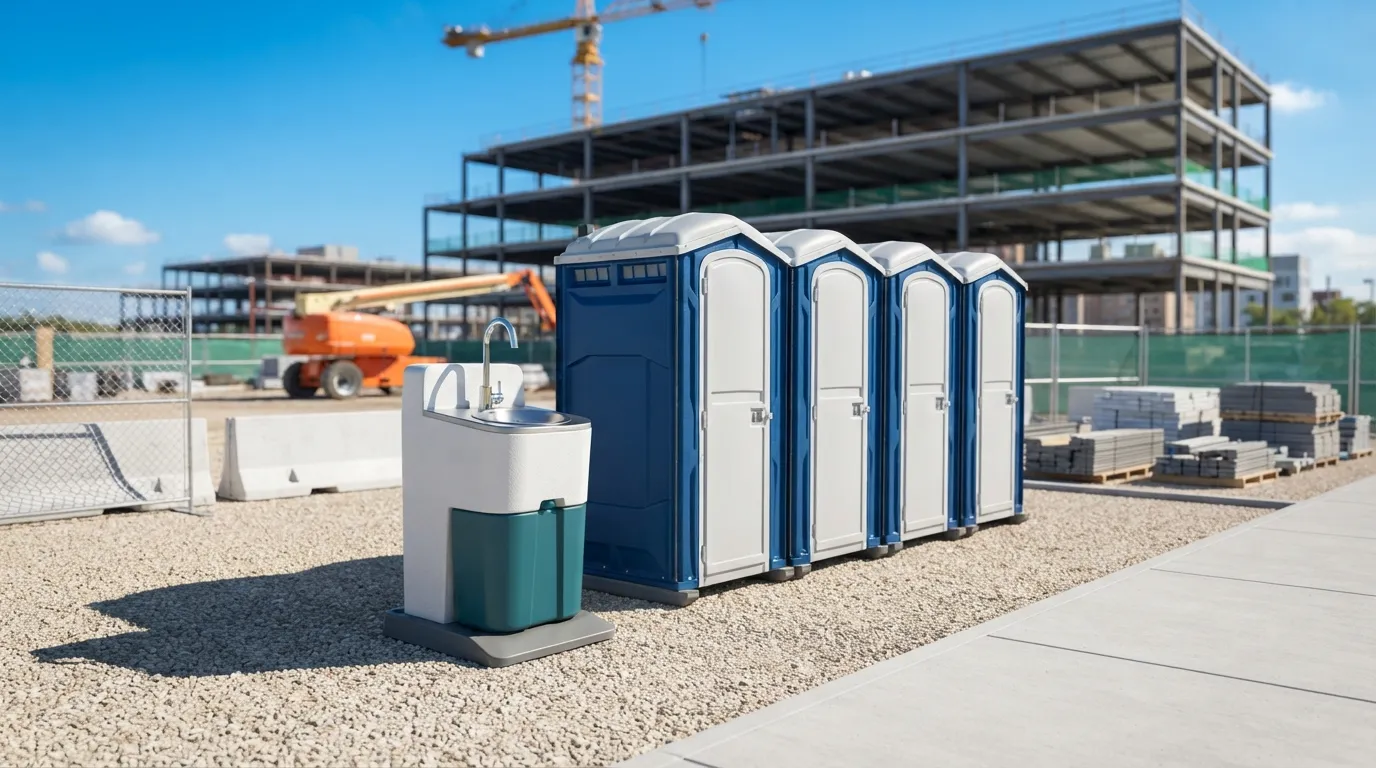
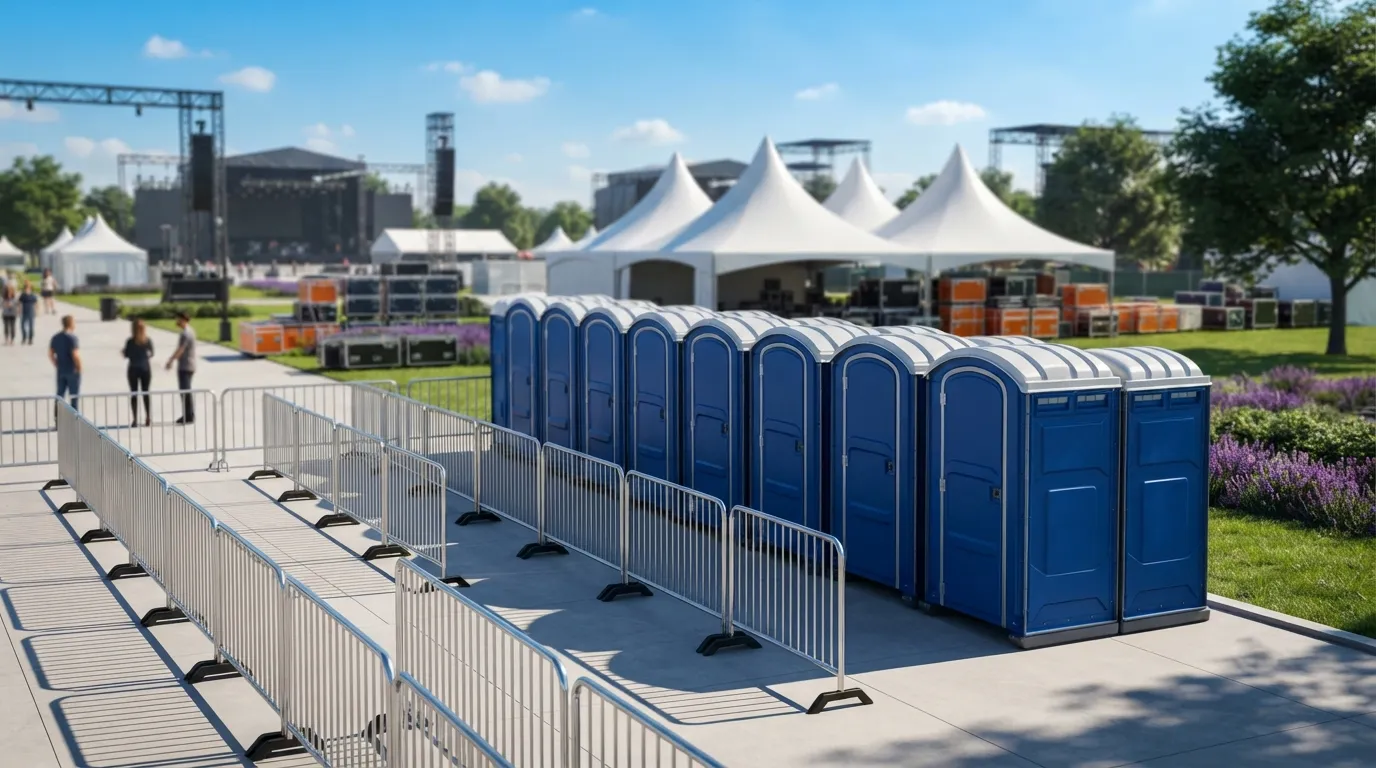
Murrieta Porta Pros services properties across Murrieta and the nearby communities that share the same well-and-septic footprint. Wildomar sits about 7.0 miles northwest, and French Valley is roughly 7.1 miles east; both areas have plenty of homes running the same tank sizes and cleaning schedules as Murrieta proper. Lake Elsinore is about 14.0 miles northwest if you're coordinating service across a wider radius, and the service areas page lists every community this crew reaches, including porta potty rental in Lake Elsinore, CA. For construction sites running through their own sanitation needs alongside septic work, construction site services in Murrieta covers the portable toilet side of the job, and porta potty rental in Murrieta, CA is the hub page for all of that. Homes doing renovation work that involves temporary sanitation while the septic system is serviced can check home renovation porta potty for short-term options, and farm properties on well-and-septic systems can look at farm and agricultural restrooms for longer stretches without plumbing.
Under OSHA 1926.51(c), job sites need toilet facilities scaled to worker count, but that standard applies to construction crews, not residential septic customers; if you're running a work crew on a property while septic service happens, OSHA portable toilet requirements explains the ratios. For anyone weighing a holding tank instead of ongoing septic service, holding tank rental is worth a look, and general questions about the difference between systems live on septic tank warning signs along with septic pumping service, and anyone comparing overall porta potty rental cost against septic upkeep can weigh both against a request a quote from the office.
How much does septic tank cleaning cost near me?
Expect $150 to $300 for a standard day-rate pump and clean on a typical residential tank, or $50 to $150 for weekend service. Actual cost depends on tank size, access, and whether sludge buildup requires extra scraping time beyond a routine pump.
How do I know if my septic tank needs cleaning?
Slow drains, gurgling pipes, sewage odor near the tank, or standing water over the drain field are signs it's due. Most tanks need cleaning every 3 to 5 years regardless of symptoms, since solids build up even without visible problems.
What's the difference between septic pumping and septic tank cleaning?
Pumping removes liquid and loose waste. Cleaning goes further, breaking up and removing sludge stuck to the tank walls and checking the effluent filter. A thorough service visit usually includes both steps, not just the pump-out.
Can I clean my septic tank myself?
Pumping and cleaning a septic tank isn't a DIY job. Tanks hold hazardous gases, and improper handling risks damaging the system or your health. A licensed service has the vacuum truck and training to do it safely.
How often should I clean my septic tank filter?
The effluent filter should get checked and rinsed at every pumping visit, typically every 3 to 5 years alongside the full tank cleaning. Homes with garbage disposals or heavy water use may need more frequent filter checks.
Next step
Get a delivery date
Tell us the address, the dates and the headcount. We size the order and confirm the route.