What does OSHA actually require for handwashing?
OSHA splits this into two rules people mix up constantly. 1926.51(f)(1) covers washing facilities specifically for workers applying paints, coatings, herbicides or insecticides, or handling other harmful contaminants. It is not a blanket handwashing mandate for every construction site in Murrieta. Separately, 1926.51(a)(1) requires an adequate supply of potable water at all places of employment, which is the broader rule most construction site services fall under. Agricultural operations follow a different standard: OSHA 1928.110 requires field sanitation with potable water, toilets and handwashing for hand-labor employees, at one facility per 20 employees, reachable within a quarter mile walk. That matters for the vineyards and grove operations between here and Fallbrook, 18.3 miles south. If you run a non-construction workplace, like an office or retail counter next to your job trailer, general industry rules under 1910.141(c)(1)(i) apply instead. Pair any handwashing station rental with your portable toilet rental order so both requirements get covered in one delivery.
What has to be on the station itself?
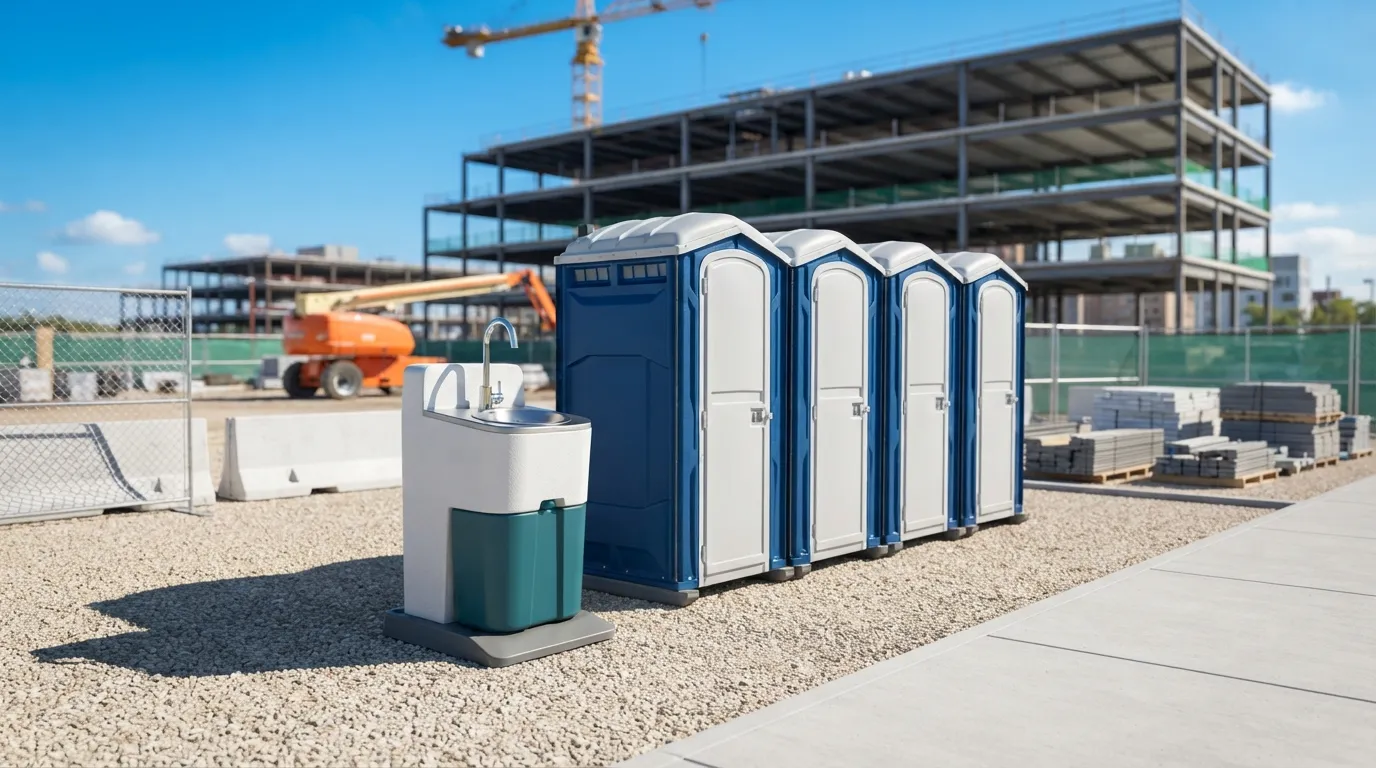
A compliant unit needs soap and towels or a hand-drying device. Under 29 CFR 1910.141(d)(2), hand sanitizer does not satisfy this requirement by itself. Inspectors on Murrieta sites will look for both a working water supply and an actual drying method, not a sanitizer bottle sitting on top. Most portable sink rental units carry a fresh water tank, a soap dispenser and paper towels built in, so the compliance piece is handled before the unit even leaves the yard. If your crew is doing painting, coating, herbicide or pesticide work covered under 1926.51(f)(1), a sanitizer station alone will not pass inspection; you need the full washing setup. A hand sanitizer station rental works fine as a supplement near entrances or break areas, but it is not a substitute where the standard requires actual washing facilities. Think of sanitizer as the extra layer, not the base layer.
How many stations does a Murrieta job site need?
The ratio most crews use ties back to toilet counts under OSHA 1926.51(c)(1): one facility for 20 workers or fewer, then one seat and one urinal per 40 workers as headcount climbs to 200. Handwashing stations typically follow the same spacing since crews use them together. A 25-person framing crew usually runs one combo unit near the toilets and a second near the material staging area if the site runs long. Larger builds around Murrieta, especially ones stretching toward Wildomar, 7.0 miles northwest, often split stations across zones rather than clustering them at one entrance. Use our how many porta potties do I need guide to size the whole restroom and handwash package together, since both scale off the same worker count. If you are also placing an ADA accessible porta potty, remember ADA Standards section 213.2 requires at least 5 percent of clustered units, and never fewer than one, to be accessible, and that includes accessible reach heights on wash stations under ADA Standards 308.2.1.
Where should stations be placed on site?
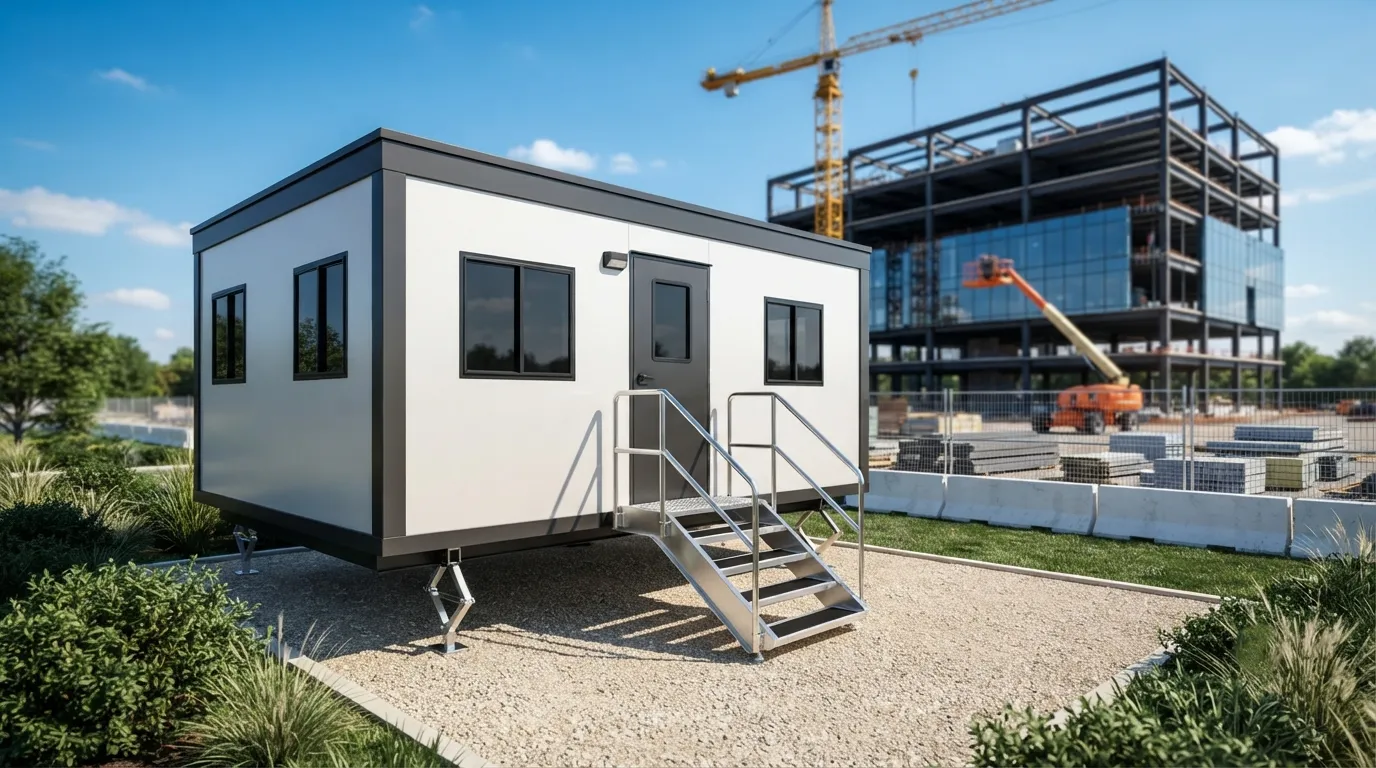
Put them near the toilets and near any area where contaminants get handled, not tucked behind a dumpster or generator. ADA Standards 302.1 calls for stable, firm, slip-resistant ground under any accessible unit, so avoid loose gravel or soft dirt for those placements. Operable parts like soap dispensers and faucet handles need to work with one hand and no tight grasping, per ADA Standards 309.4, which most rental units already meet out of the box. If you are coordinating a roll-off dumpster rental delivery on the same site, remember that truck needs about 60 feet of straight clearance behind it, so plan handwash placement away from that path. Murrieta sites with multiple trade crews often place a station at each staging zone rather than one central spot, cutting foot traffic and downtime. For events rather than construction, check our event restroom rental and festival restroom rental pages, since crowd flow changes where a station makes sense.
Rental costs for handwashing stations run alongside your other unit costs. For broader budgeting across a project, see porta potty rental cost or porta potty rental per day, since delivery fees for combined orders typically land between 100 and 500 dollars depending on how many units and how far the drive.
Murrieta Porta Pros delivers handwashing stations across Murrieta and out toward Lake Elsinore, 14.0 miles northwest, French Valley, 7.1 miles east, and San Jacinto, 25.1 miles northeast. Check the full service areas list before booking, and pair your order with a temporary fence rental or storage container rental if the site needs perimeter control too.
Do I need a permit for a handwashing station in Murrieta?
Placement in the public right of way needs confirming with the city before delivery. We do not have a specific ordinance number to cite here, so check with Murrieta's permitting office directly, or see our porta potty permit requirements page for the general process most jobs follow.
Is hand sanitizer enough instead of a wash station?
No. Under 29 CFR 1910.141(d)(2), sanitizer does not satisfy the requirement for soap and towels or a drying device. Use a handwashing station rental as your base compliance unit and add sanitizer stations as a supplement near entrances.
How often do handwashing stations get serviced?
ANSI/PSAI Z4.3 sets a baseline of one service visit per week for up to 10 users over a 40 hour week. Higher headcounts or contaminant work usually need more frequent visits; ask about a schedule when you book.
Can I rent a handwashing station with my porta potty order?
Yes. Most Murrieta crews combine both in one delivery. Bundling cuts the delivery fee and keeps water and toilet service on the same schedule. Mention it when requesting your porta john rental or standard unit order.
What is the difference between 1926.51(f)(1) and general handwashing?
1926.51(f)(1) only applies where workers handle paints, coatings, herbicides or insecticides. General sites rely on 1926.51(a)(1) for potable water access. Confirm which applies to your scope before ordering, since it changes what unit you need.
Next step
Get a delivery date
Tell us the address, the dates and the headcount. We size the order and confirm the route.